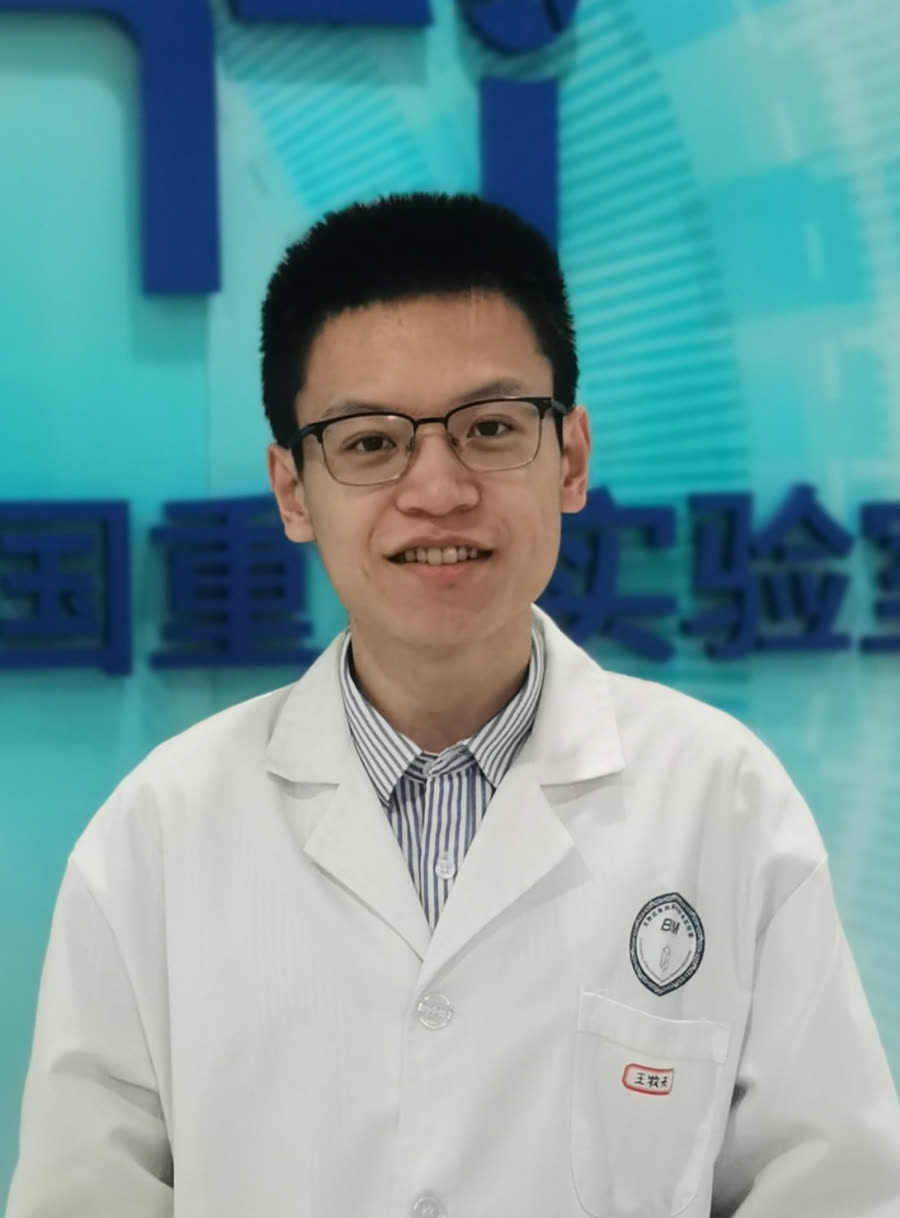
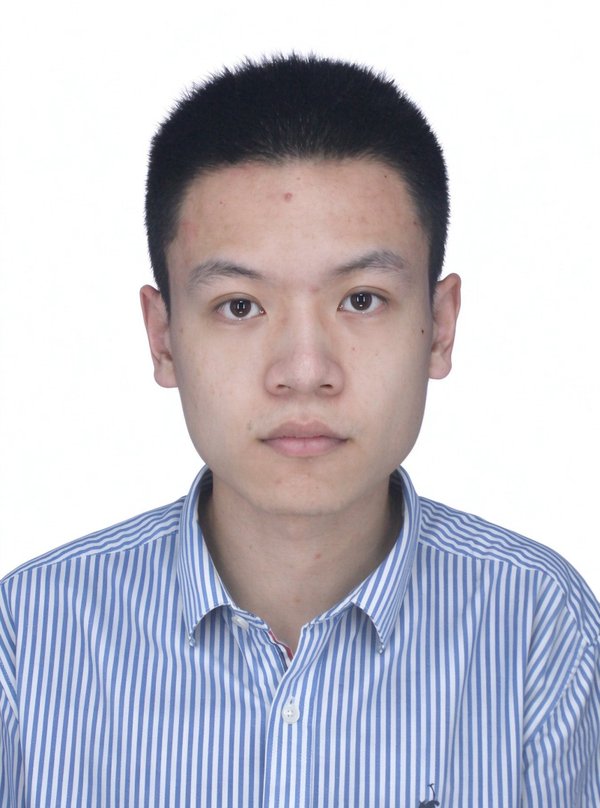
Mutian Wang
Weighted Average Score: 91.26 / 100 Advisor: Prof. Zhihua Pu & Prof. Dachao Li

GPA: 92.3 / 100

Academic Transcript
Tianjin University — official transcript for PhD application.
IELTS 6.5 (Listening 8.0 · Reading 6.0 · Writing 6.0 · Speaking 6.5), Sep. 2026.
Wearable Epidermal Biosensor for Interstitial-Fluid Non-Invasive Monitoring
1. Hydrogel sensor drift correction
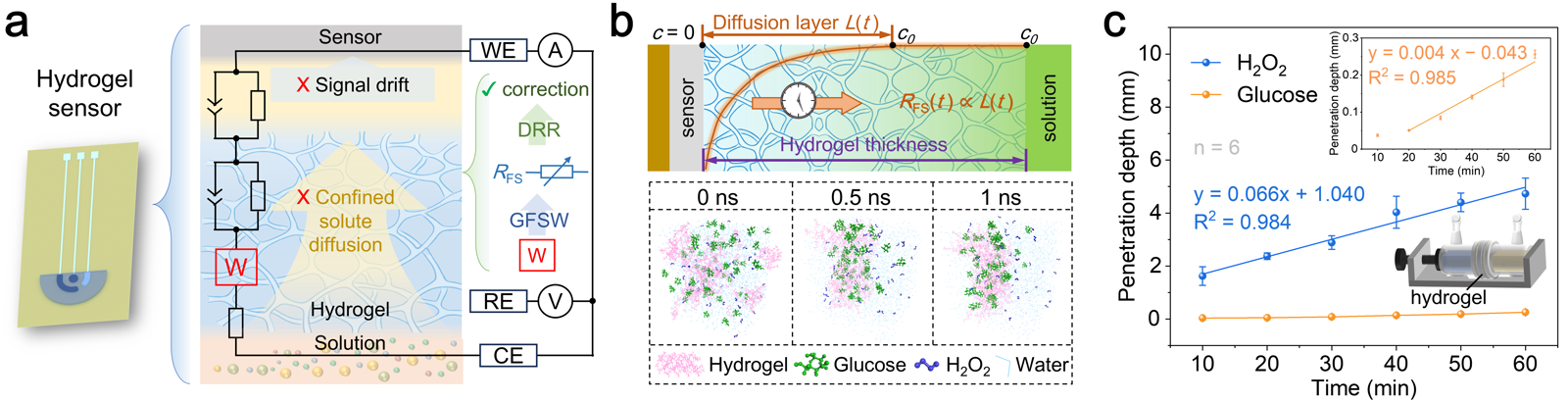
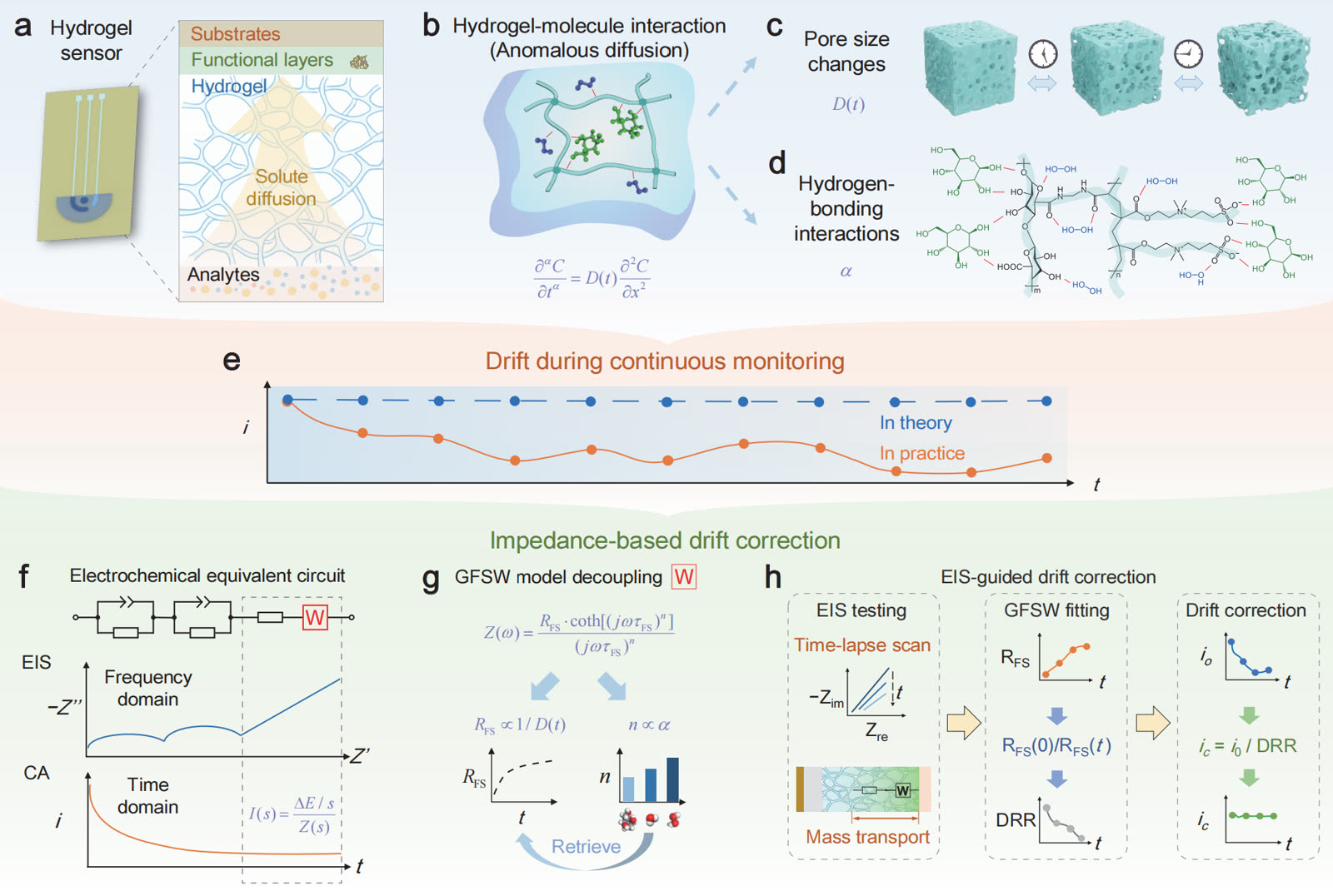
- Investigated molecular-interaction-induced drift of hydrogel-based electrochemical sensors and proposed an impedance-driven drift-correction strategy for long-term compensation.
- Conducted molecular dynamics (MD) and COMSOL simulations, hydrogel preparation, screen-printed sensor fabrication, and EIS/CA characterization.
- Reduced current coefficient of variation by 10.3× (glucose) and 5.4×(H₂O₂) across varied hydrogel thickness and analyte concentration.
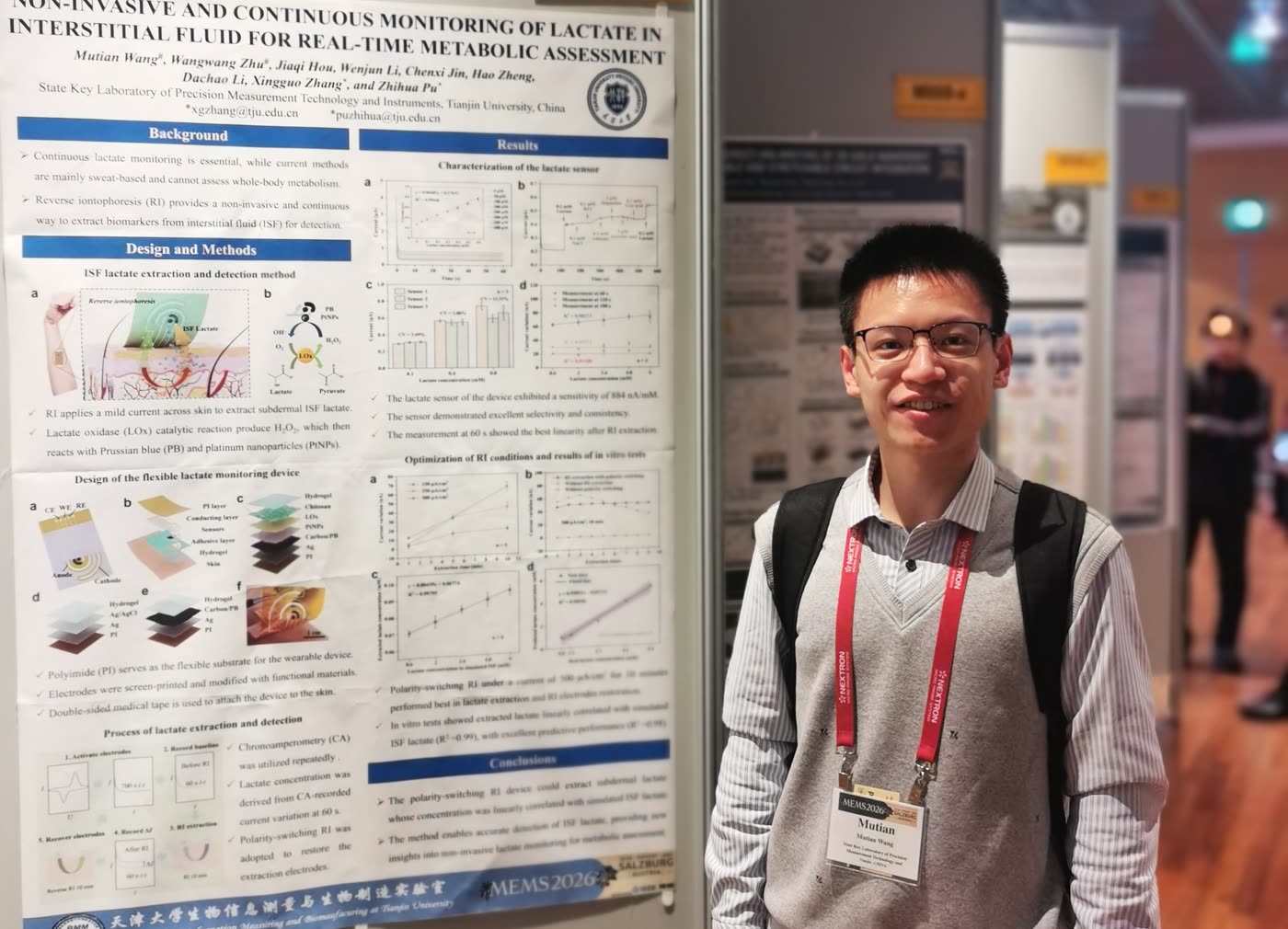
2. Non-invasive lactate detection via reverse iontophoresis (RI)
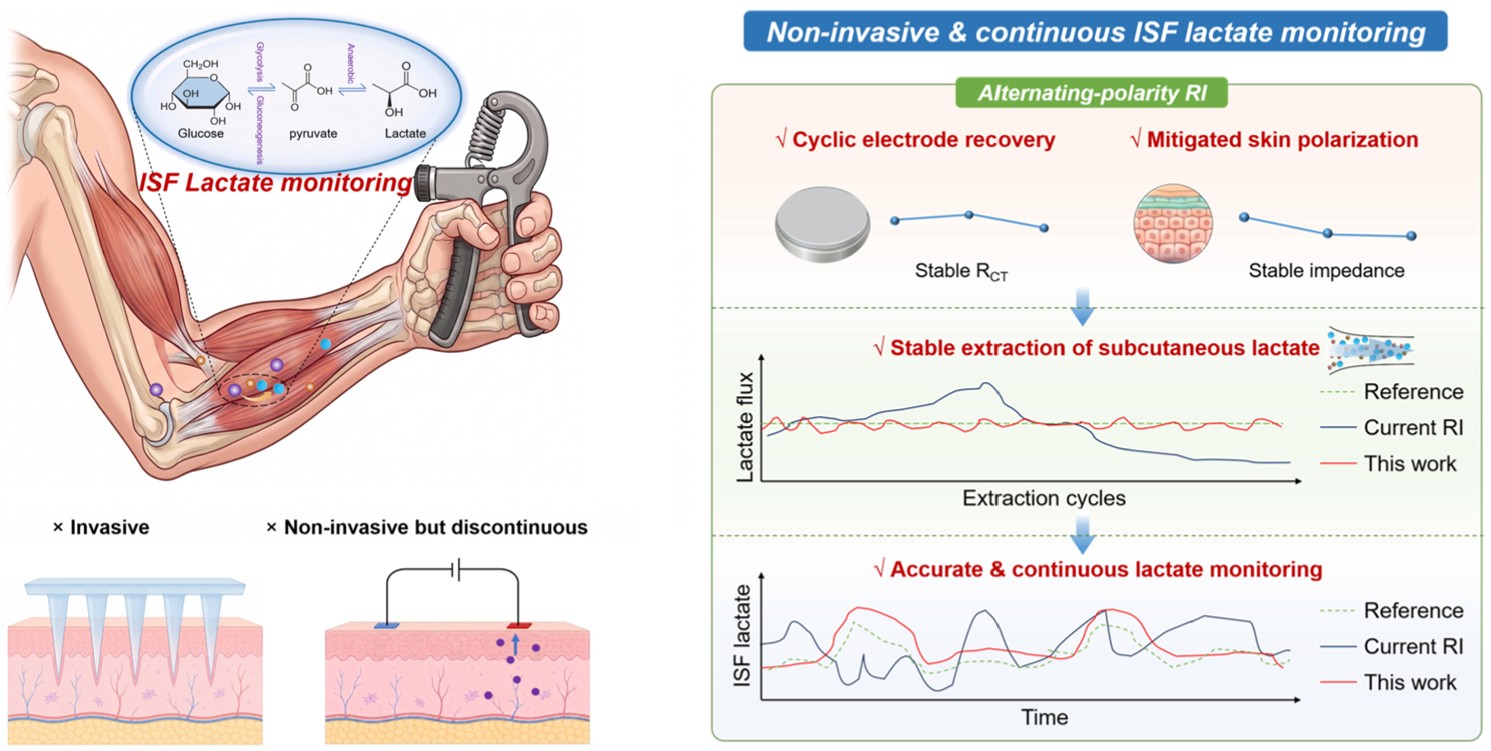
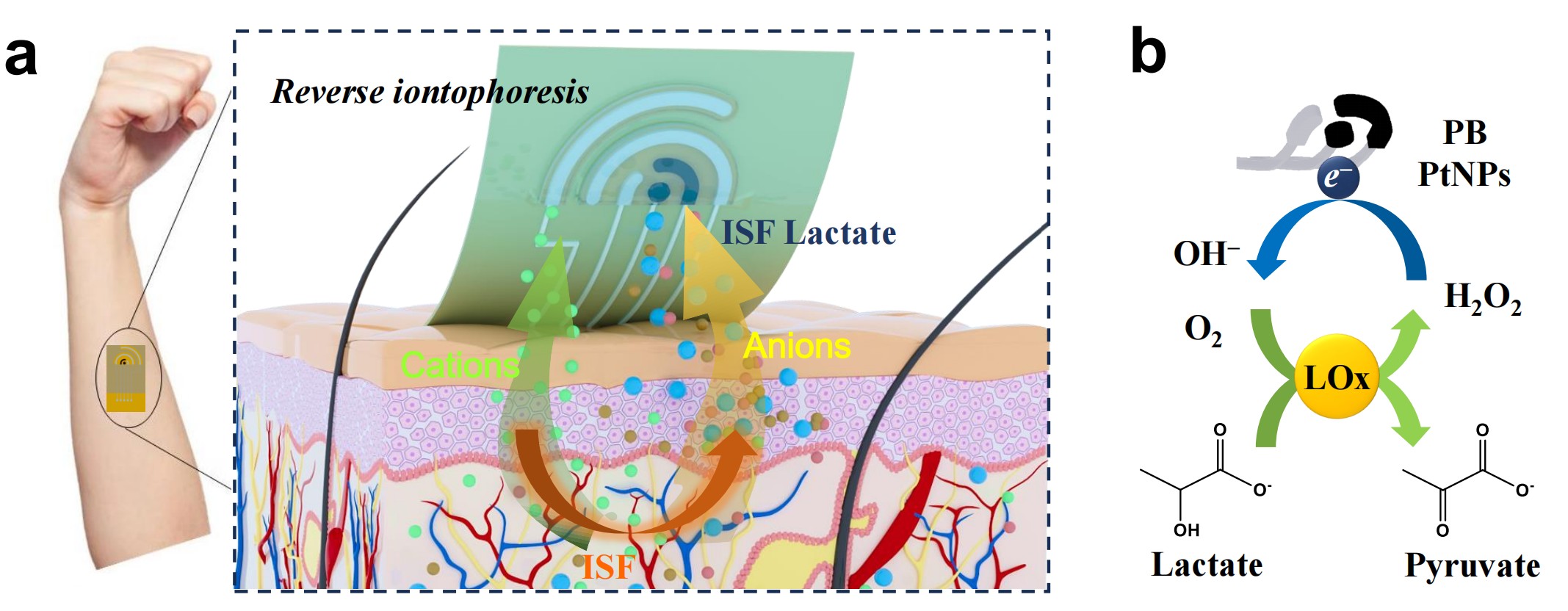
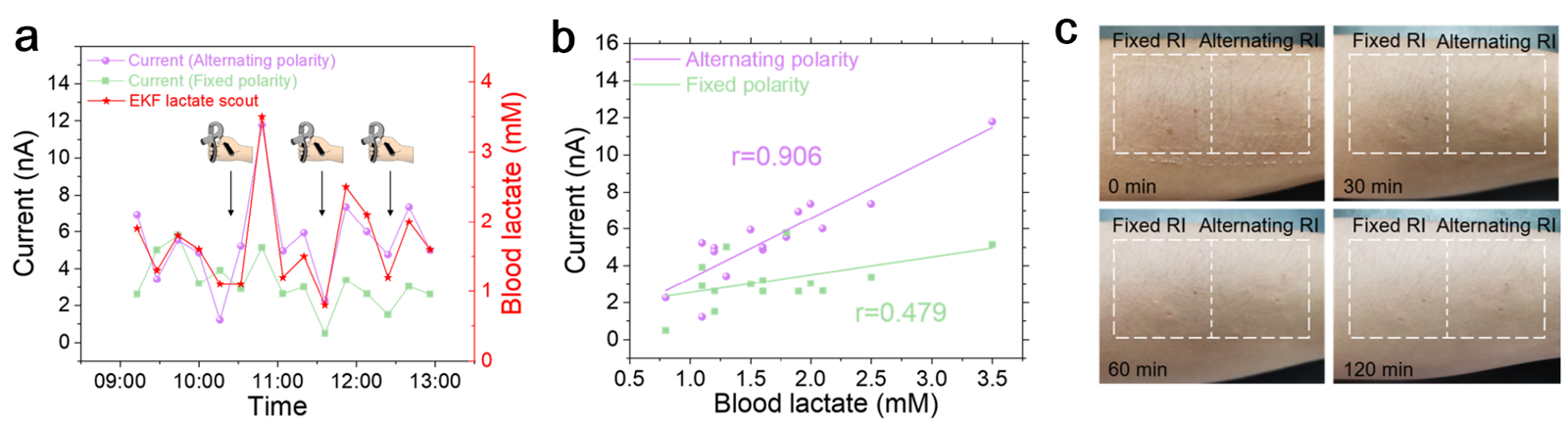
- Researched alternating-polarity RI for continuous interstitial-fluid lactate sensing; optimized sampling parameters to suppress Ag/AgCl extraction-electrode degradation.
- Completed the majority of in-vitro and in-vivo experiments; designed the relay circuit and C/Python scripts for automated measurement.
- Lead post-publication translational engineering efforts toward commercial deployment.
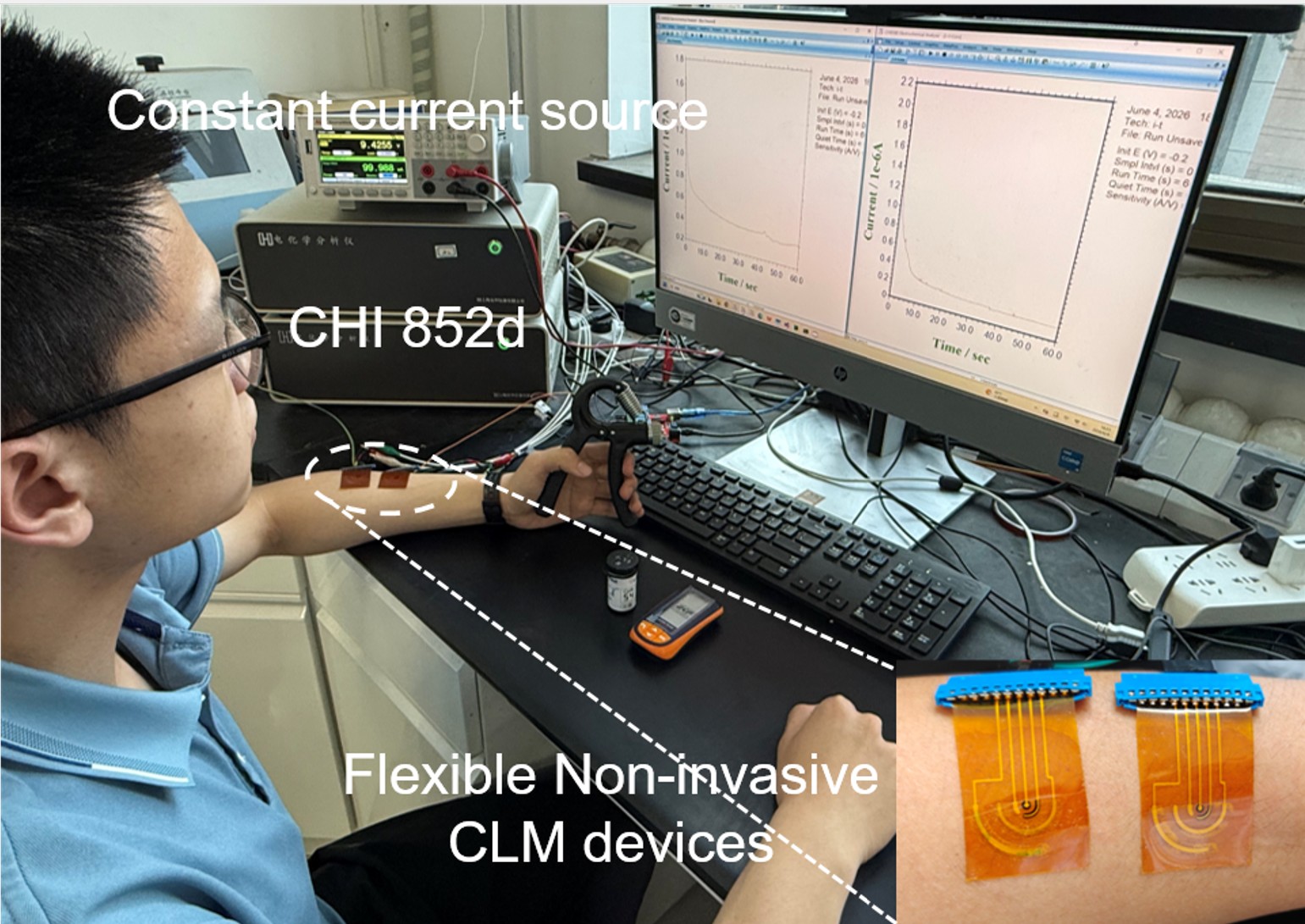
3. Non-invasive blood-glucose detection via reverse iontophoresis
- Contributed to wearable sensor fabrication (screen-printing, glucose / Na⁺ / pH sensors) and assisted with clinical trials and data analysis.
- Led commercial-translation optimizations: reference-electrode membrane, interface circuitry, and in-human validation.
Wearable Finger-PPG-Based Non-Invasive Blood-Glucose Monitoring System
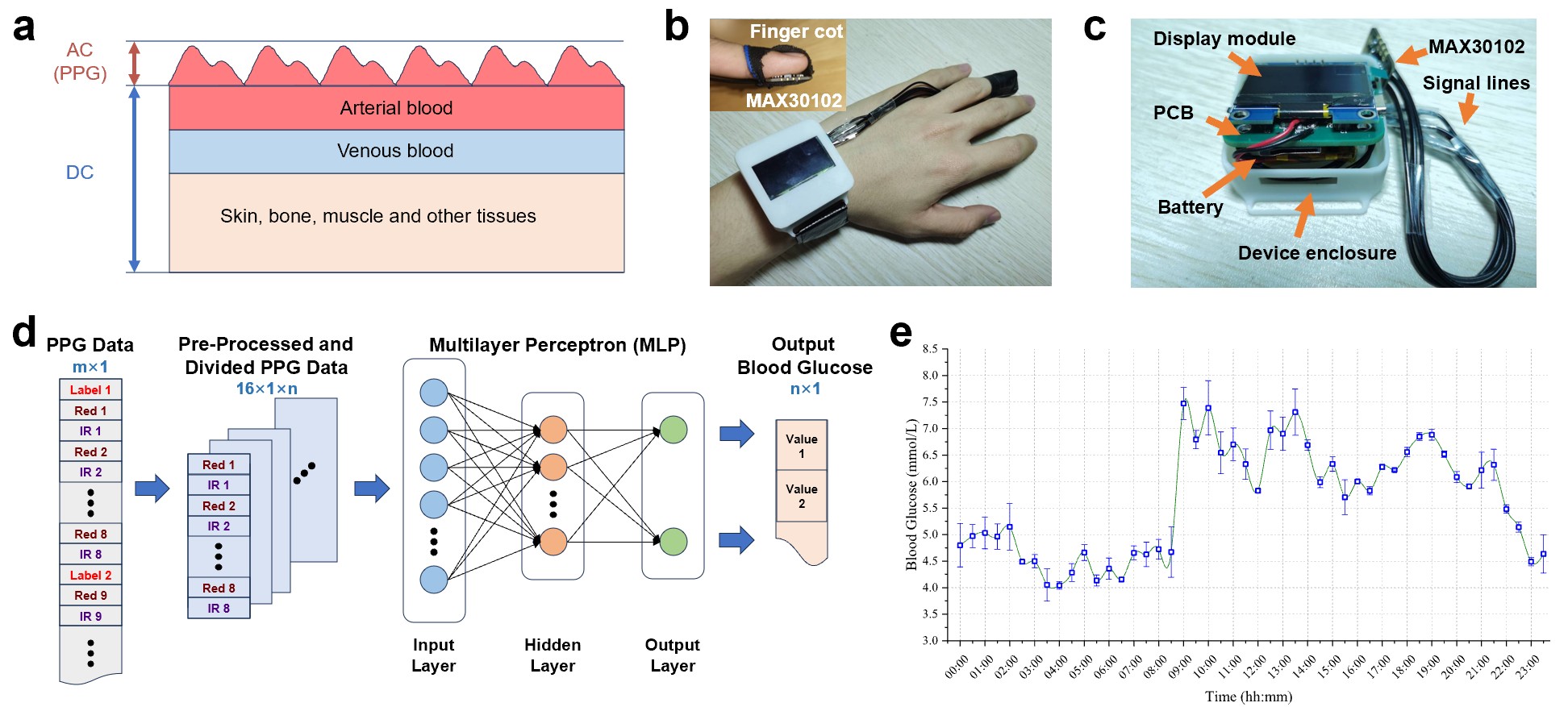
- Built low-cost finger PPG glucose-detection hardware with an optical sensor and MCU.
- Developed a multi-parameter (MLP) machine-learning model for PPG–glucose prediction.
- Achieved 99.33% of points in Clarke Error Grid Zones A & B and conducted 24 h continuous test.
- Led the full cycle: conception, model derivation, experiments, and manuscript writing.
Kinematics Design & Simulation of Ultrasonic TOFD Pipeline-Inspection Robot
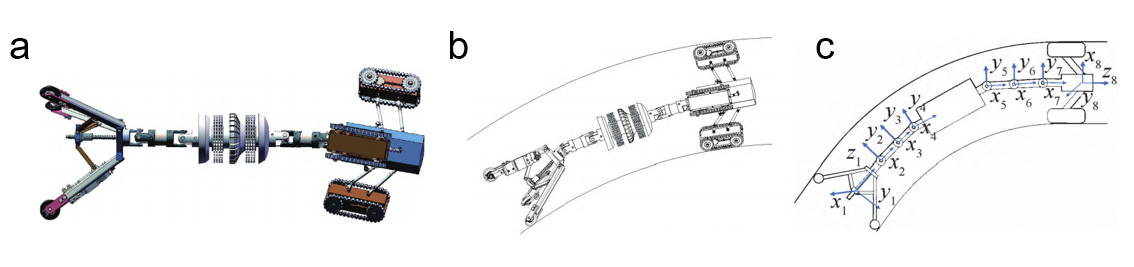
- Built a D–H kinematic model and simulated pipe-bend tracks in the MATLAB Robotics Toolbox.
Reverse Iontophoresis & Interstitial-Fluid Extraction
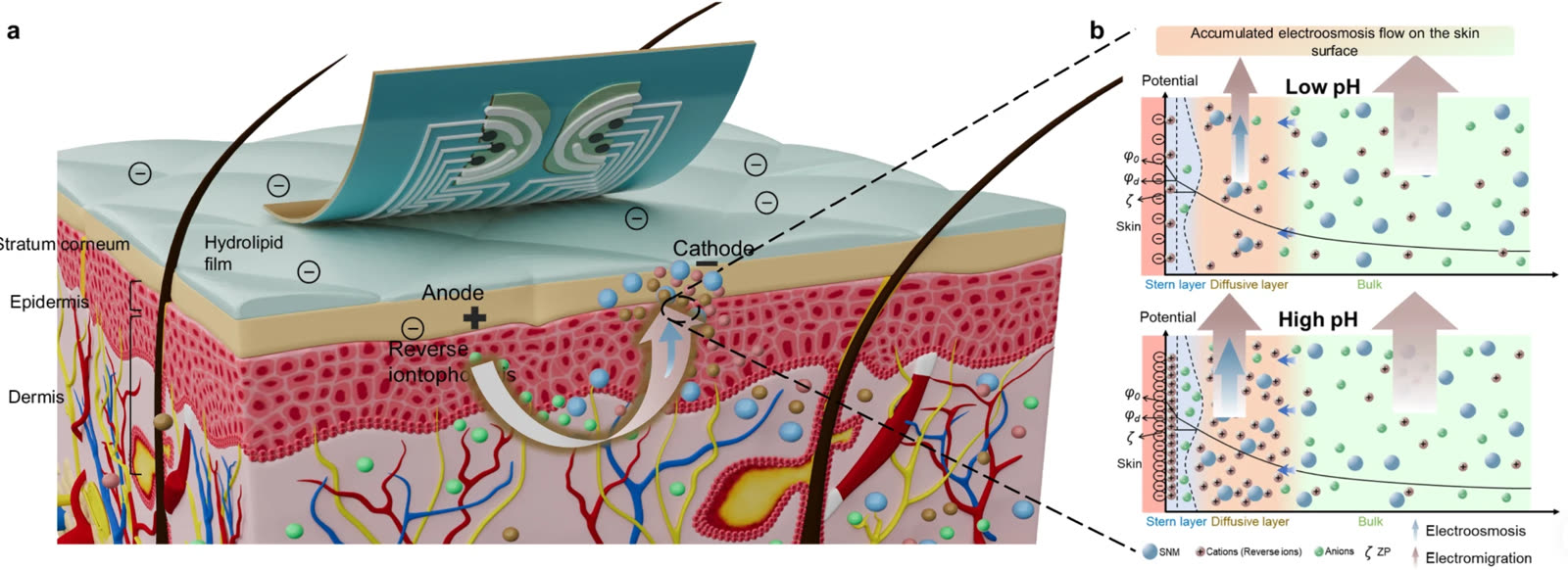
Reverse iontophoresis (RI) applies a low, alternating-polarity electrical current to the skin to non-invasively extract interstitial fluid (ISF), enabling wearable, reagent-free access to biomarkers such as lactate and glucose without needles.
- Alternating-polarity RI to suppress Ag/AgCl extraction-electrode degradation and improve long-term stability.
- Optimization of sampling parameters (current density, polarity switching) for reproducible ISF extraction.
- Integration of Na⁺ and pH sensing for real-time calibration and drift compensation.
Impedance-Guided Drift Correction
Hydrogel-based electrochemical sensors suffer from signal drift caused by molecular-interaction-induced structural changes. I develop impedance-driven correction strategies that compensate for this drift, enabling reliable continuous monitoring over extended periods.
- Investigated molecular-interaction-induced drift mechanisms in hydrogel sensors.
- Proposed an impedance-guided drift-correction framework validated by MD and COMSOL simulations.
- Reduced current coefficient of variation by 10.3× (glucose) and 5.4× (H₂O₂).
Soft Materials & Microfabrication
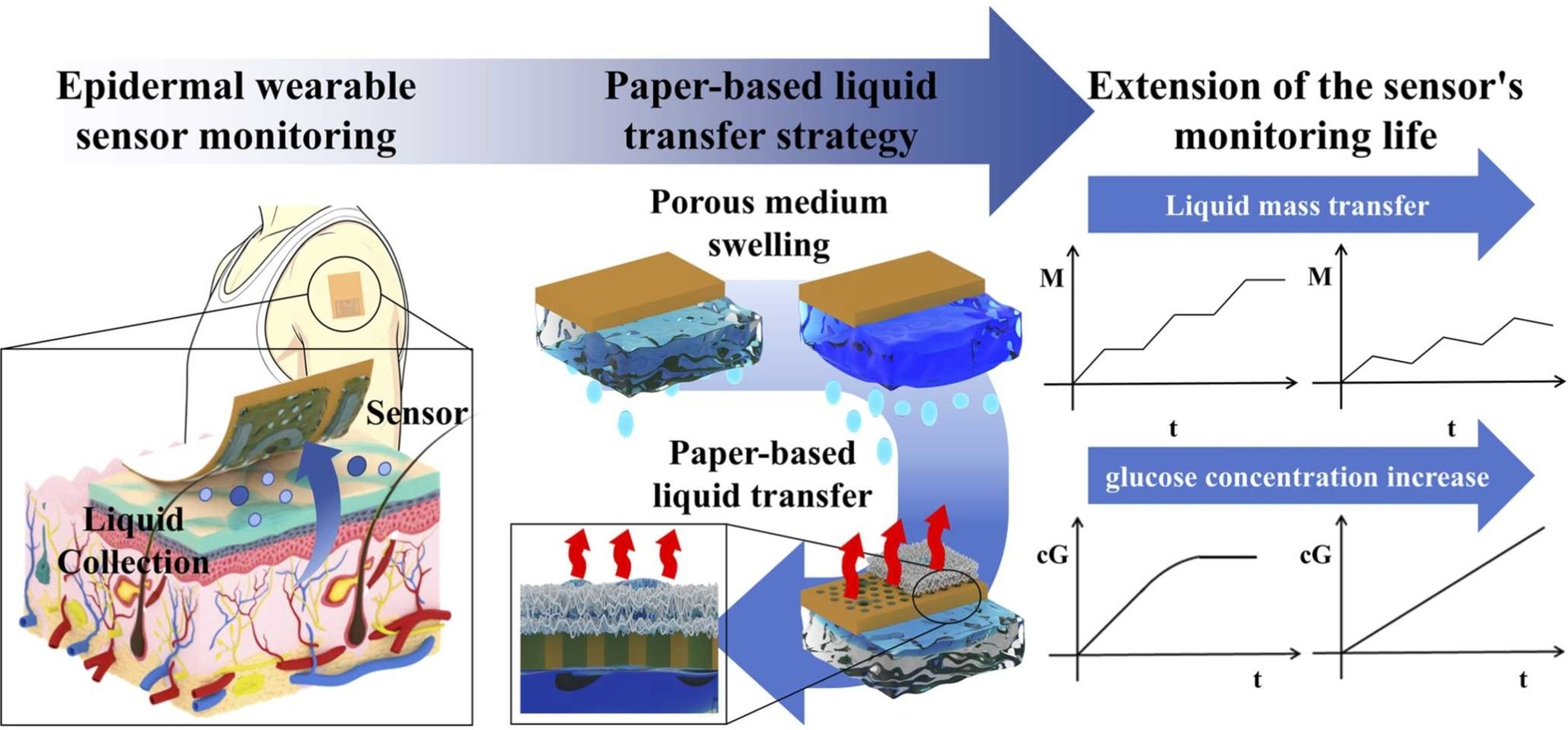
I design and fabricate wearable sensing platforms from the materials level up: screen-printed electrodes, enzymatic and ionic sensors, hydrogels, and paper-based microfluidic interfaces optimized for biofluid handling.
- Screen-printed electrode fabrication for glucose, lactate, Na⁺, and pH sensing.
- Enzymatic (LOx, GOx) and ionic sensor development with hydrogel encapsulation.
- Geometry-engineered PI–paper microfluidic interfaces for passive biofluid renewal.
Hardware Design & Machine-Learning Signal Processing
I build the complete hardware and software stack — from MCU and relay-controlled measurement circuits to machine-learning models — to turn raw physiological signals into reliable, clinically meaningful measurements.
- MCU and relay-controlled circuits for automated, multiplexed sensor readout.
- C/Python signal-acquisition and processing scripts.
- Machine-learning models (MLP, PINNs) for PPG-based glucose prediction (99.33% in Clarke zones A&B).
Electrochemistry
- EIS, Chronoamperometry (CA), Cyclic Voltammetry (CV)
- Tafel analysis, ECSA
- Sensitivity & selectivity characterization
Simulation
- Materials Studio, COMSOL Multiphysics
- MATLAB, Multisim, Proteus
Fabrication
- Screen-printed electrodes
- Enzymatic & ionic sensors, hydrogels
- Microfluidics fabrication
Hardware & Programming
- MCU circuits, relay-controlling circuits
- Signal reception & processing systems
- Python, C, Origin
- Machine learning (MLP, PINNs)
Leading hydrogel drift-correction and reverse-iontophoresis lactate sensing — combining MD/COMSOL simulation, screen-printed fabrication, and EIS/CA characterization.
Built low-cost PPG glucose-detection hardware and a multi-parameter (MLP) machine-learning model, achieving 99.33% points in Clarke Error Grid zones A&B.
Built a D–H kinematic model and simulated pipe-bend tracks in the MATLAB Robotics Toolbox for a pipeline flaw-detection robot.
Mutian Wang
Laboratory
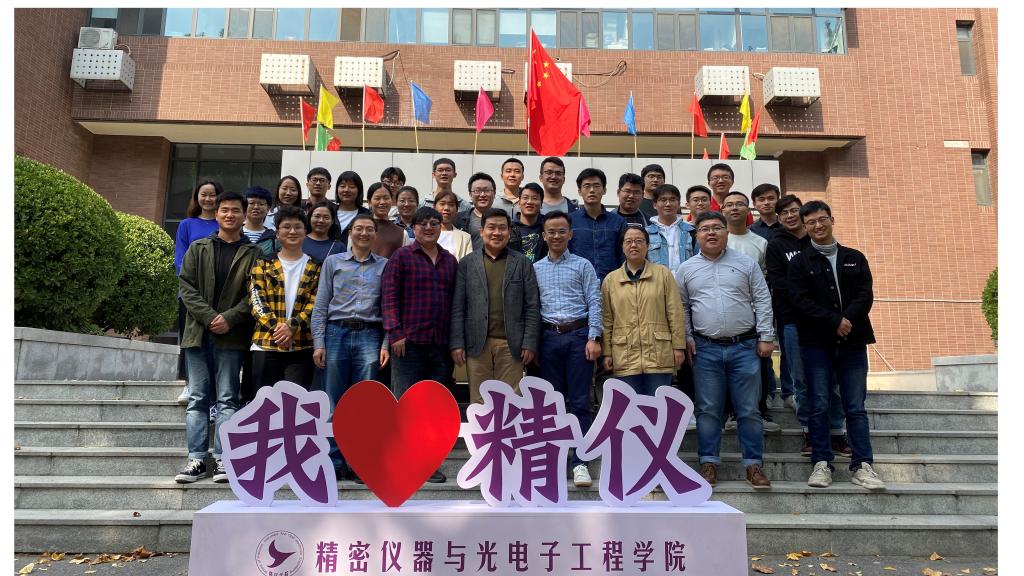
I conduct my research at the Laboratory of Digital-Intelligent Sensing Chips and Instruments (数智传感芯片及仪器实验室), Tianjin University. The lab focuses on sensing chips, precision instruments, and advanced manufacturing for life-health and micro/nano sensing applications.
Visit Lab Website →